
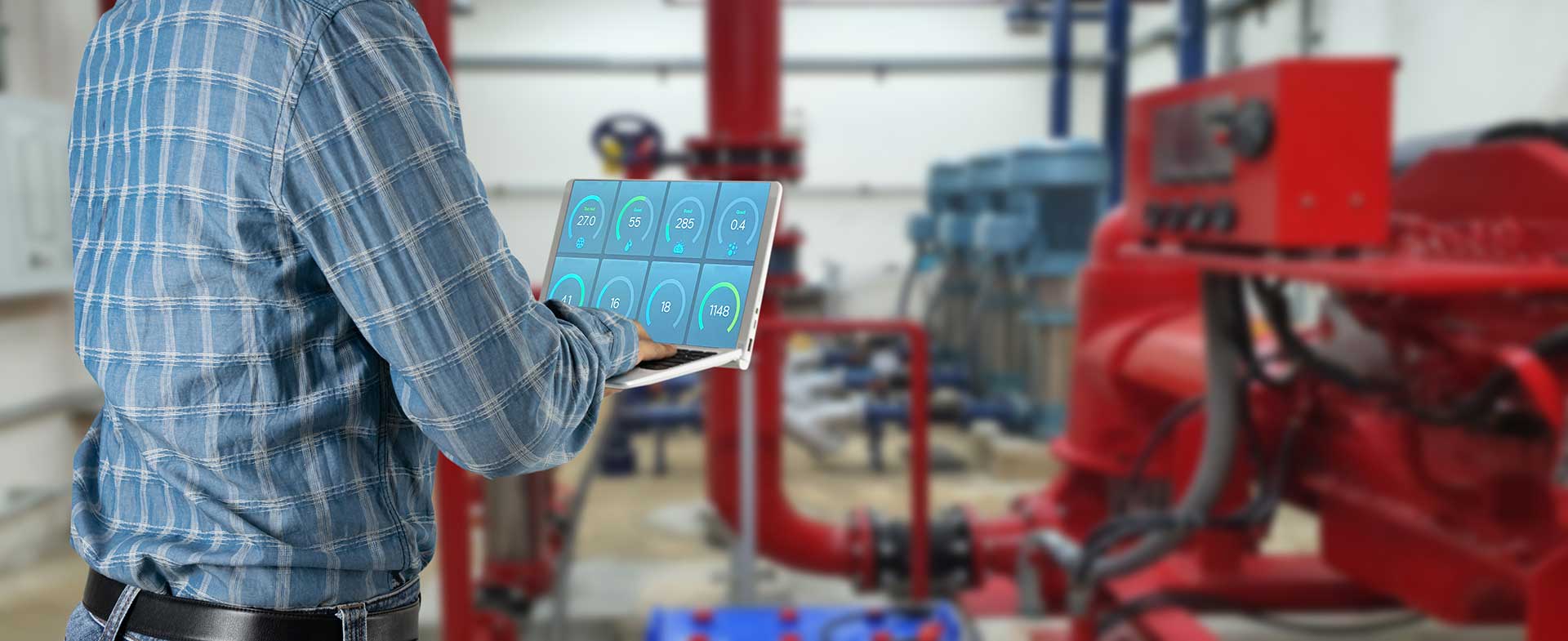
Expert Support for Exposure and Health Risk Control
Workplace exposures can harm your employees, damage productivity, and increase operating costs through higher insurance premiums, absenteeism, and turnover. GMG EnviroSafe’s HealthAssure program identifies, measures, and controls these risks with proven monitoring, testing, and protection strategies. Our proactive approach keeps your workforce healthy, your operations compliant, and your business running efficiently for the long term.
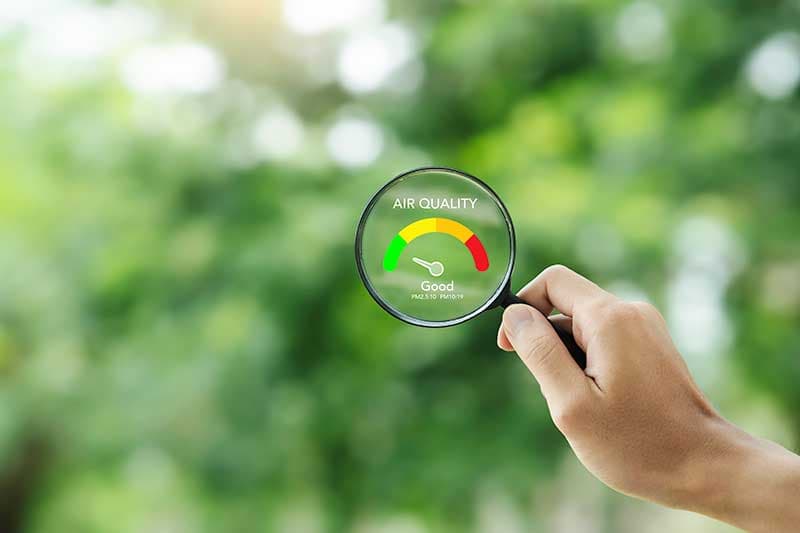
Hexavalent Chromium Air Quality Testing
Detect and control harmful chromium-6 particles to protect respiratory health and meet strict safety standards.
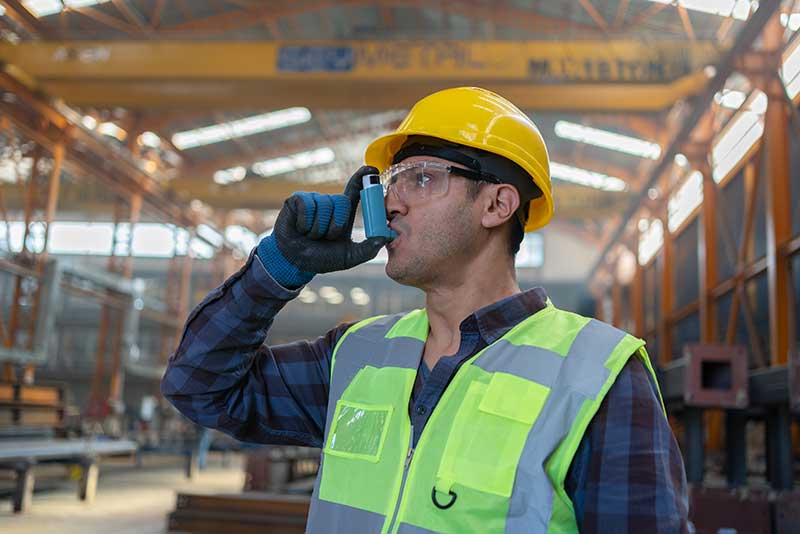
Isocyanate Exposure Monitoring
Measure and manage airborne isocyanates to prevent asthma, respiratory irritation, and long-term health damage.
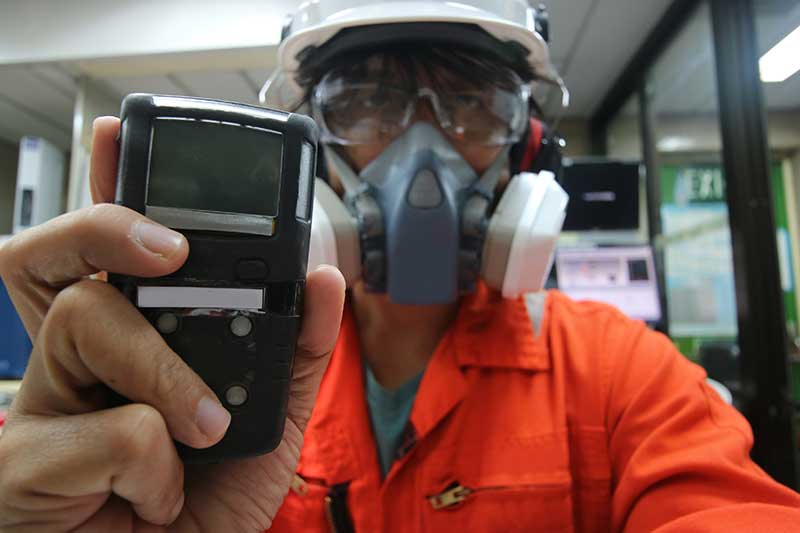
Lead Air Quality Testing
Identify and address lead exposure risks to prevent serious health effects and regulatory violations.
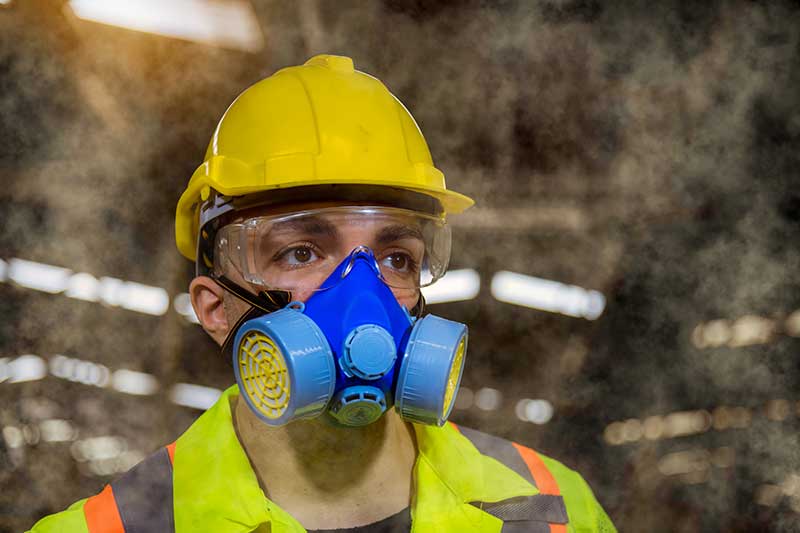
Nuisance Dust Exposure Monitoring
Monitor airborne dust particles to maintain a safe, compliant, and comfortable work environment.
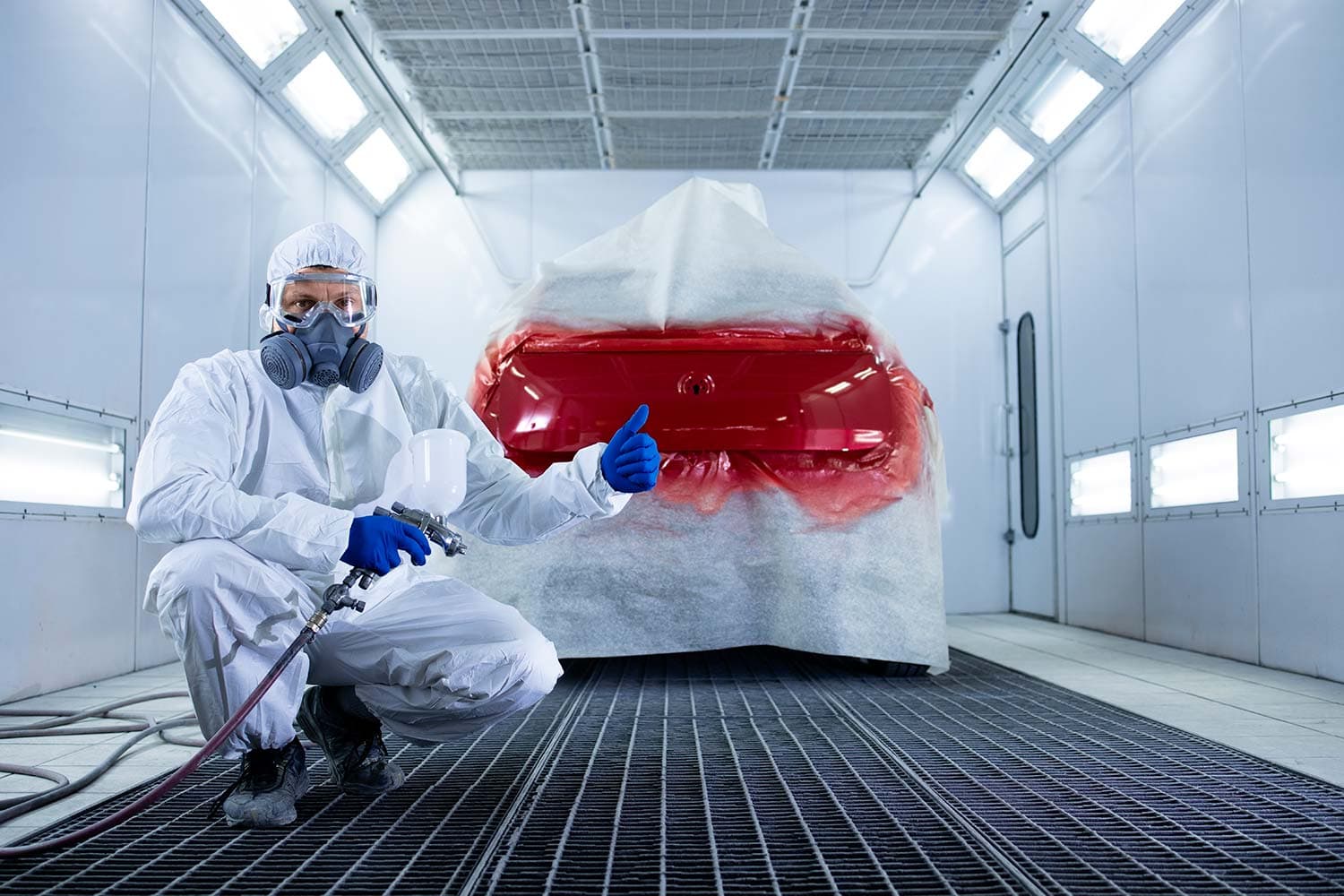
Organic Vapors Air Quality Testing
Detect and control exposure to hazardous vapors to safeguard health and meet workplace air quality requirements.
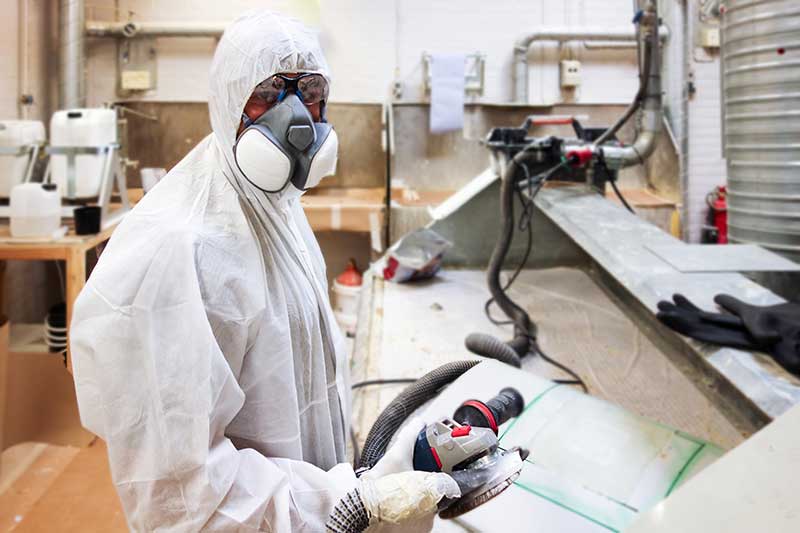
Silica Exposure Monitoring
Identify and mitigate respirable crystalline silica to prevent lung disease and meet OSHA standards.

Welding Fume Air Quality Testing
Assess and control welding fume exposure to protect employee health and comply with regulatory limits.
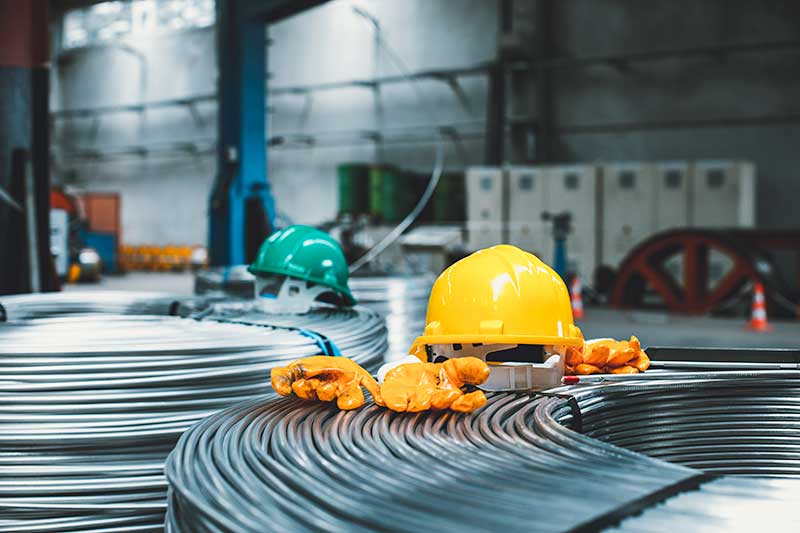
Zinc Metal Exposure Monitoring
Monitor airborne zinc levels to prevent metal fume fever and long-term respiratory issues.
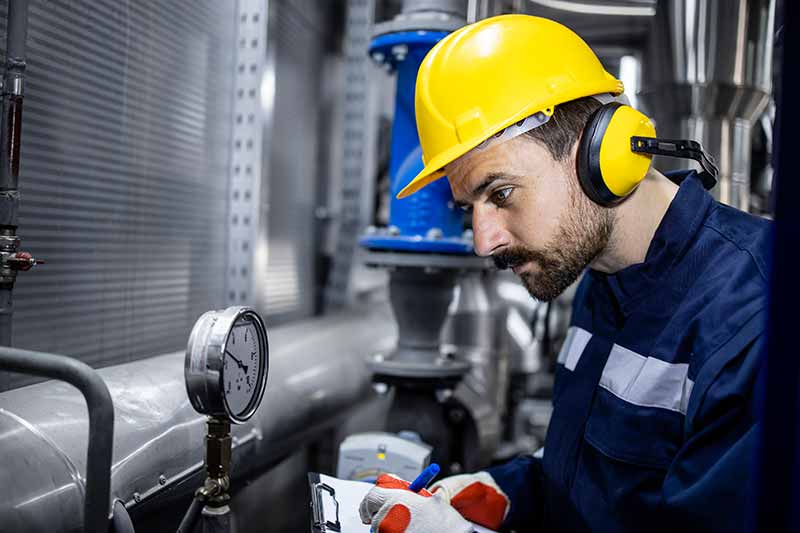
Workplace Noise Exposure Assessment
Evaluate noise levels, protect hearing, and maintain compliance with occupational noise regulations.
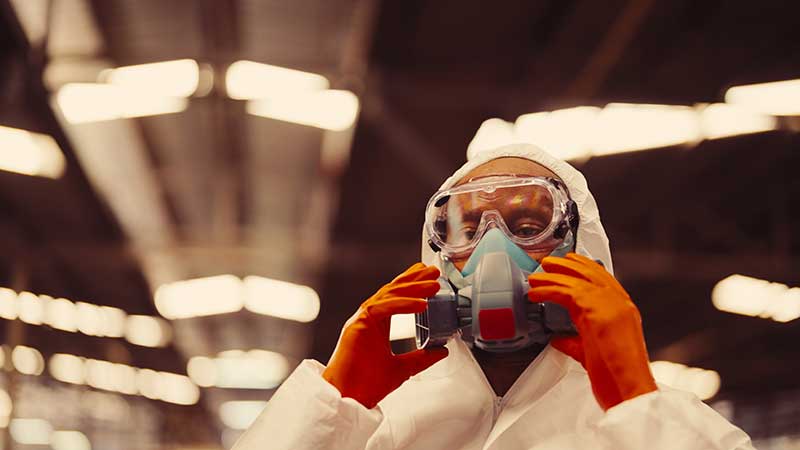
Respirator Medical Clearance Evaluation
Ensure employees are medically fit to use respirators and meet OSHA respiratory protection requirements.
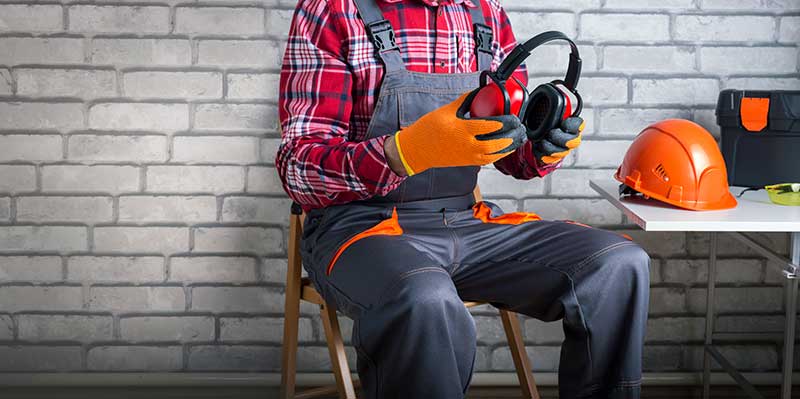
Workplace Hearing Protection & Conservation Program
Develop and maintain a comprehensive hearing conservation program to prevent hearing loss and reduce claims.
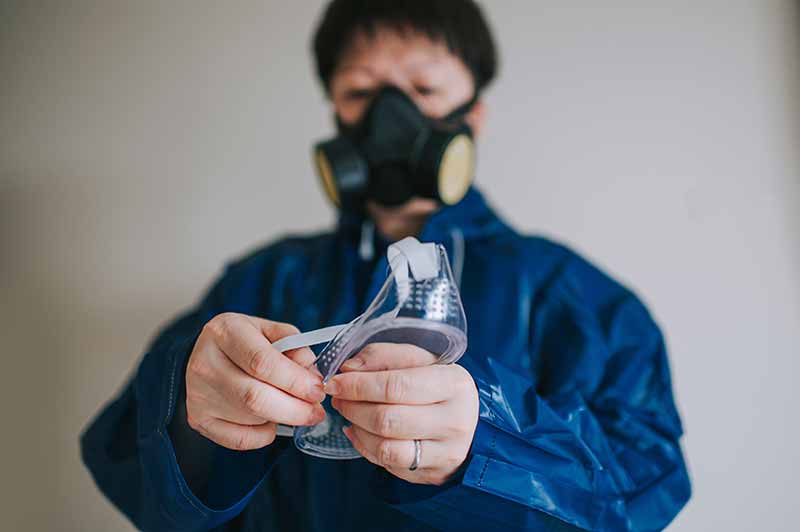
Respirator Fit Testing & Compliance Procedures
Establish fit testing protocols to ensure respirators protect as intended and meet compliance standards.
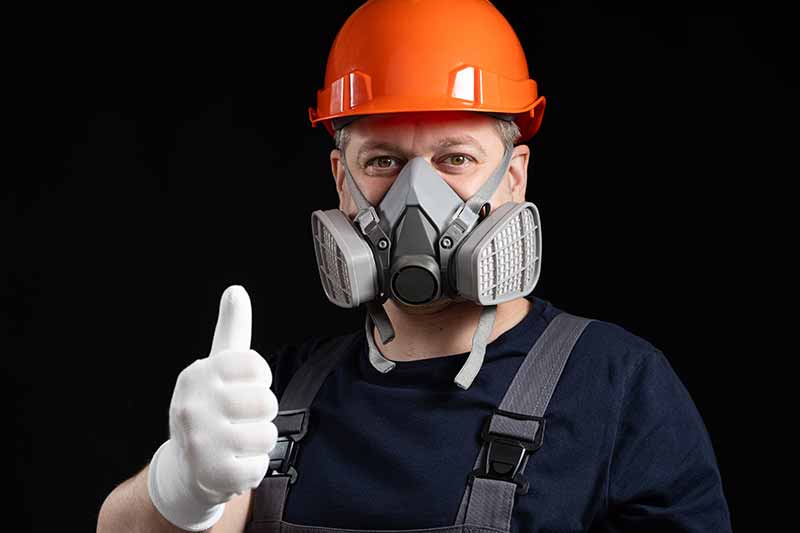
Qualitative Respirator Fit Test (Pass/Fail Sensory Method)
Conduct sensory-based respirator fit tests to confirm proper seal and protection.
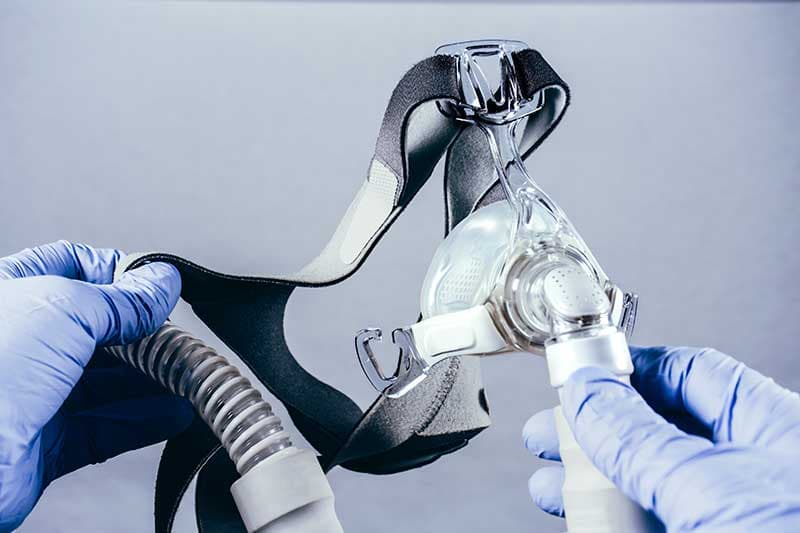
Quantitative Respirator Fit Test (Precision Measurement Method)
Use precision measurement tools to verify respirator fit and protection levels.

Take the First Step Toward Compliance Confidence
Don’t wait for a violation to get compliant. Schedule a free consultation and let us assess your current status, identify required permits, and create a clear path forward.
Schedule Your ConsultationWhy Choose GMG EnviroSafe?
Your trusted partner for workplace health protection, combining compliance expertise with proven strategies to improve both employee well-being and business performance.
Comprehensive Exposure Monitoring
Air, noise, and respiratory testing to detect risks before they harm health or productivity.
Tailored Health Protection Plans
Custom programs built around your operations and workforce.
Industrial Hygiene Expertise
Experienced professionals providing exposure monitoring, testing, and health risk control services.
Regulatory Alignment
Compliance with OSHA, EPA, and industry-specific standards.
Cost-Saving Solutions
Reduce claims, insurance premiums, and health-related absences.
Long-Term Health Benefits
Protect employees now while preventing future health problems.
Making EHS Compliance Easy
Common Health Risks We Help Prevent
Avoid costly fines, operational disruptions, and reputational damage. Here are some of the most common compliance failures we proactively help our clients avoid:
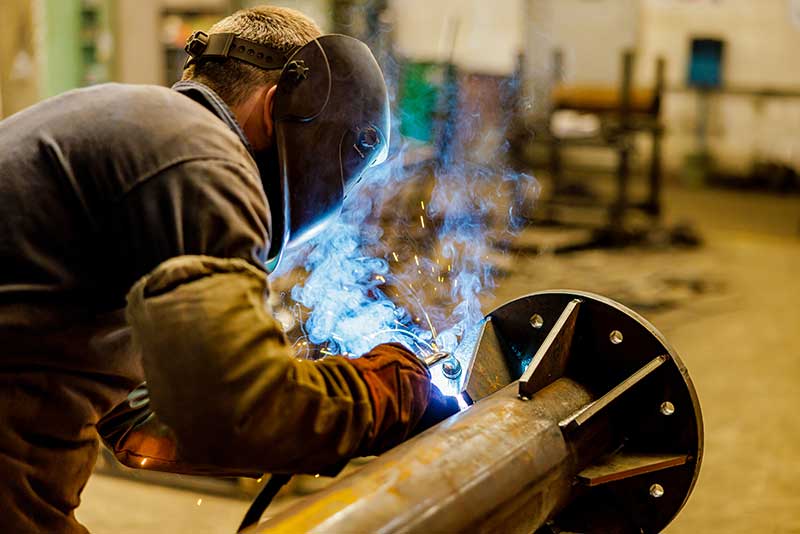
Respiratory Illnesses from Airborne Hazards
Exposure to harmful dust, fumes, or vapors can cause chronic respiratory conditions, asthma, or lung disease.
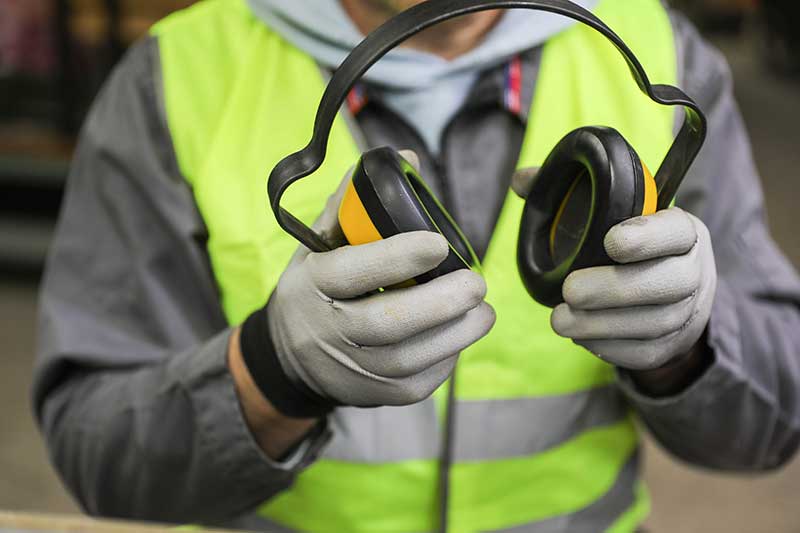
Hearing Loss from Excessive Noise
Uncontrolled noise levels can lead to permanent hearing damage, tinnitus, and costly hearing-related claims.
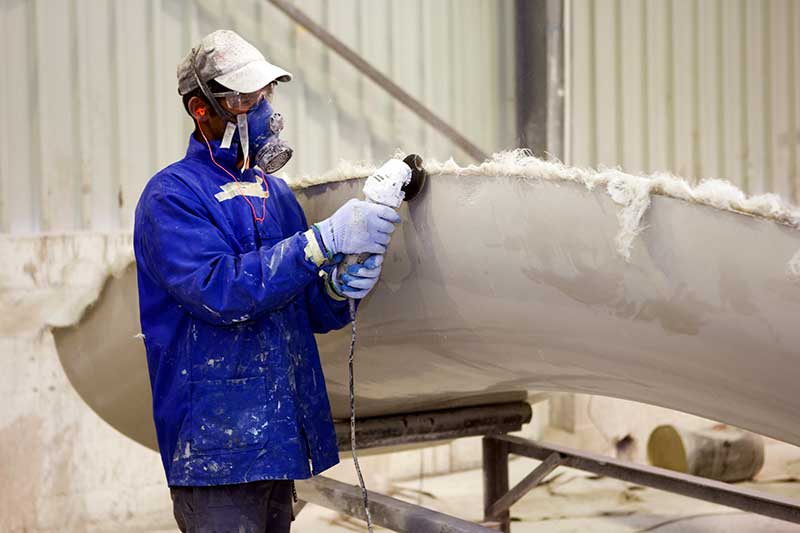
Silica Exposure and Lung Disease
Breathing respirable crystalline silica can result in silicosis, lung cancer, and other serious health issues.
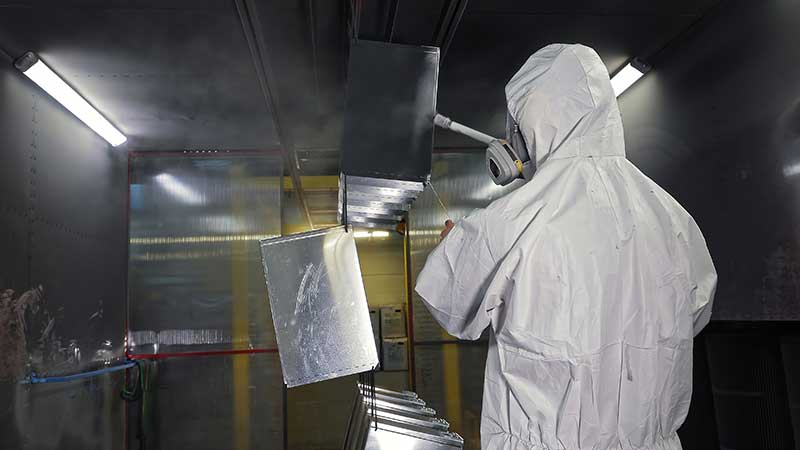
Metal Fume Fever
Inhalation of zinc oxide fumes during welding or metal work can cause fever, chills, and respiratory irritation.
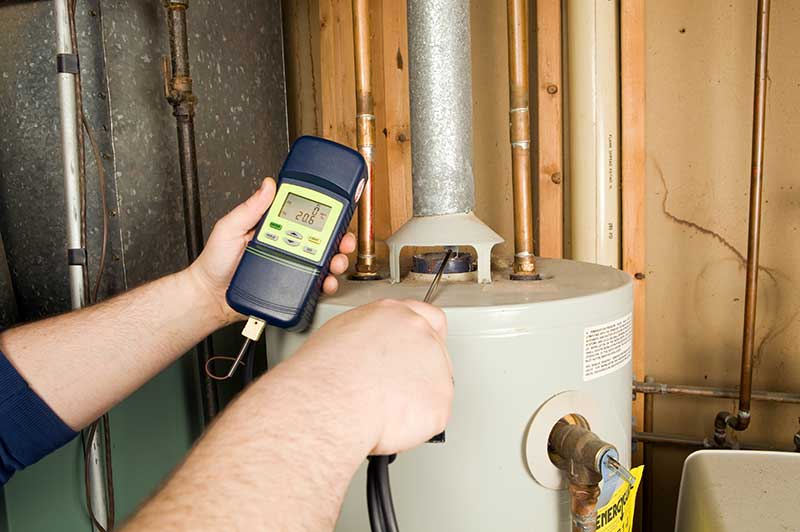
Carbon Monoxide Poisoning
Poorly ventilated equipment or confined spaces can lead to dangerous or fatal CO exposure.
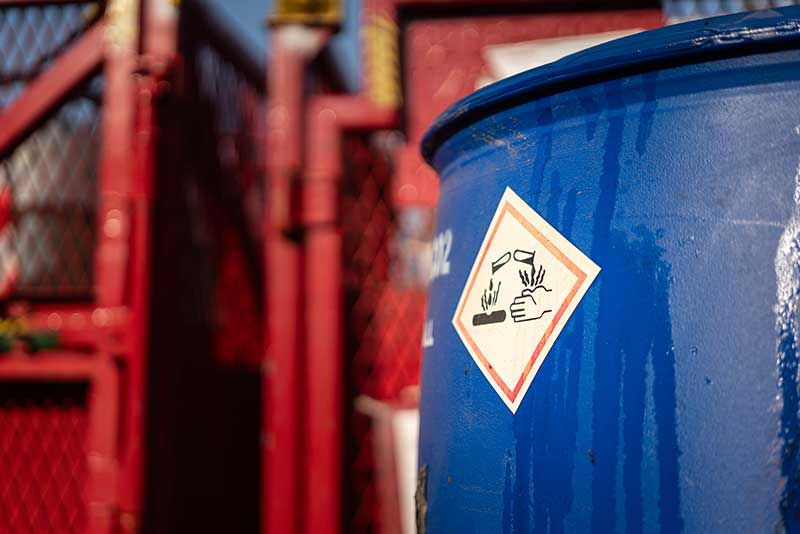
Chemical Burns or Skin Irritation
Airborne corrosives or direct chemical contact can cause burns, rashes, and long-term skin damage.
Occupational Cancer Risks
Prolonged exposure to certain chemicals, dusts, or fumes can increase cancer risk among workers.
Client Success
“After implementing GMG’s workplace health monitoring program, we reduced respiratory health claims by 40% and saw a measurable drop in employee sick days.”
Operations Manager, Manufacturing Facility
Navigating Permits & Compliance
Practical guidance and expert insight to help you stay compliant, improve operations, and stay ahead of regulatory expectations.
We begin with a comprehensive workplace health risk assessment, examining your processes, materials, and environment to identify potential hazards such as dust, fumes, vapors, gases, or excessive noise. We then prioritize testing based on risk severity, regulatory requirements, and the potential impact on employee health and business operations.
Monitoring frequency depends on your industry, operations, and regulatory obligations. OSHA often requires annual testing for certain hazards, but we recommend retesting after operational changes, new equipment installation, or reports of employee symptoms to ensure ongoing protection and compliance.
Yes. We identify and document exposure risks, then provide clear, actionable recommendations for control measures such as engineering solutions, ventilation improvements, PPE programs, and employee training. We also help you evaluate options, coordinate with qualified vendors, and verify that controls are appropriate for your operations. This ensures hazards are effectively reduced or controlled at the source while keeping costs manageable.
Absolutely. Many of our monitoring strategies measure exposures to compare to OSHA’s permissible exposure limits (PELs), noise standards, and respiratory protection rules. Proactive testing and documentation can also demonstrate due diligence and help prevent citations during inspections.
Yes. Fewer health-related claims, reduced absenteeism, and documented hazard control can lead to lower workers’ compensation costs and insurance premiums. Many insurers look favorably on companies with robust health protection programs.
Yes. We provide both qualitative (sensory) and quantitative (instrument-measured) respirator fit testing, ensuring each employee has the right model and size for proper protection. We also help you maintain compliance documentation for OSHA respiratory protection standards.
Yes. We keep detailed records of all assessments, test results, corrective actions, and training. These can be presented during regulatory audits or insurance reviews to show compliance and program effectiveness.
We can assess your existing program to verify its accuracy, ensure it meets current standards, and identify any gaps in coverage. This often includes reviewing test methods, recalibrating equipment, and updating written exposure control plans.
Yes. We serve manufacturing, construction, healthcare, laboratories, automotive, distribution, and more. Each program is customized to your facility’s hazards and operational needs.
Yes. We work around your production schedules to minimize disruption, whether that’s after hours, on weekends, or during planned shutdowns.
Yes. All training, safety programs, and signage can be provided in English and Spanish to ensure every team member understands the requirements and procedures.
Many clients notice fewer employee symptoms, reduced absenteeism, and lower claim costs within the first year. Over time, the benefits compound through improved morale, retention, and productivity.
Yes. We design and implement full hearing conservation programs that include noise monitoring, employee training, and hearing protection selection, and audiometric testing.
Yes. We can start with your highest-risk areas or most urgent compliance needs, then roll out additional services as budget and resources allow.
Schedule a free consultation. We’ll review your facility, identify your highest exposure risks and recommend the most effective monitoring plan to help create a customized respiratory protection program for your business.

Start with Confidence. Stay in Compliance.
Get expert guidance to identify workplace exposures, control health risks, and reduce costs from claims, absences, and turnover, so you can protect your people, strengthen your business, and focus on what you do best.
Schedule Your Consultation